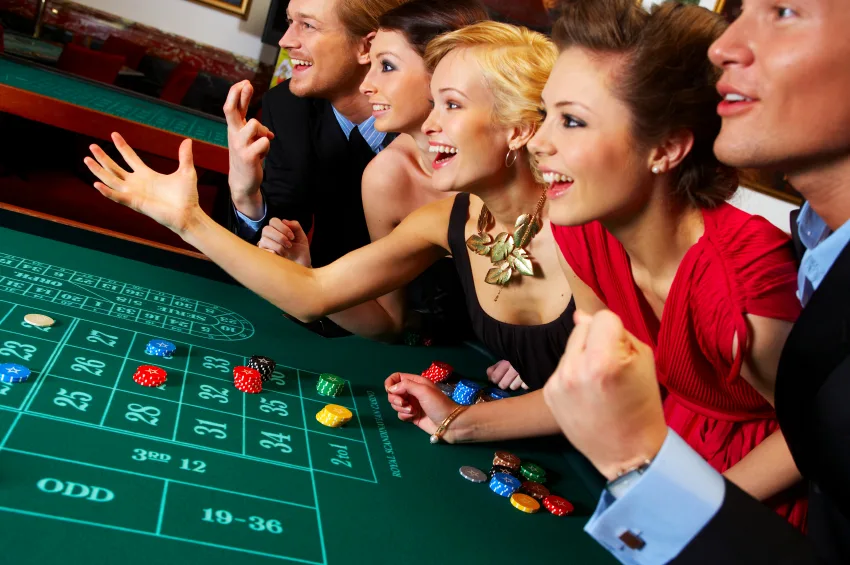

Understanding the psychology behind gambling behaviors in casinos
The Thrill of the Game
The psychology behind gambling is deeply rooted in the thrill and excitement it provides. For many individuals, the experience of stepping into a casino evokes a sense of anticipation, akin to the feeling one might have before a significant event. This adrenaline rush is not merely about winning; it encompasses the entire atmosphere of the casino, from the vibrant lights to the sounds of spinning reels and rolling dice. Such stimuli can create a heightened state of arousal, compelling players to engage further, especially when they explore new zealand online pokies.
Moreover, this thrill often leads to what’s known as “loss chasing.” When players experience losses, they may double down on their bets in an attempt to recover their lost money. This behavior can stem from cognitive biases, such as the gambler’s fallacy, where individuals believe that past losses increase their chances of winning in subsequent games. Such psychological mechanisms can keep players returning to the table, even when faced with unfavorable odds.
Cognitive biases significantly influence gambling behaviors, leading players to make irrational decisions. One of the most common biases is the illusion of control, where gamblers believe they can influence outcomes through skill or strategy, despite games of chance being fundamentally random. This belief can encourage further play, as individuals become convinced that their actions can alter their fortunes.
Another prevalent cognitive distortion is the availability heuristic, which affects how individuals assess risks based on recent outcomes. For example, if a player witnesses someone winning a jackpot, they may overestimate their chances of winning the same, disregarding the statistical realities. Such biases not only perpetuate continued gambling but also contribute to the development of gambling addiction.
The Social Aspect of Gambling
The social environment of casinos plays a crucial role in gambling behaviors. Many individuals are drawn to casinos not only for the games but also for the communal experience they offer. The presence of others can enhance the excitement, leading to a collective atmosphere where shared joy and camaraderie amplify the thrill of winning. This social dynamic can create a feedback loop, encouraging players to gamble more in pursuit of shared experiences.
Additionally, peer influence can significantly affect gambling decisions. Friends and family can either support responsible gambling or inadvertently promote excessive play. The pressure to conform to social norms within the casino can lead to increased spending and higher risks, making it essential for individuals to be aware of their social influences when participating in gambling activities.
For many, gambling serves as a means of emotional regulation and escapism. Individuals often turn to casinos to cope with stress, anxiety, or personal issues, seeking solace in the distraction that gambling provides. The act of placing a bet can temporarily alleviate negative feelings, offering a brief respite from everyday challenges.
However, this coping mechanism can quickly become problematic. When individuals rely on gambling as their primary outlet for stress relief, it can lead to compulsive behaviors and addiction. Understanding the emotional drivers behind gambling is vital for both players and casino operators to foster responsible gambling environments that prioritize mental health and well-being.

Promoting Responsible Gambling Practices
As the landscape of gambling continues to evolve, promoting responsible practices remains crucial. Many casinos and online platforms are implementing measures to assist players in making informed decisions. This includes providing resources on responsible gambling, establishing self-exclusion options, and offering tools for setting betting limits. Such initiatives aim to create a safer environment for all players.
Moreover, educating individuals about the psychological aspects of gambling can empower them to recognize their behaviors and make conscious choices. By fostering awareness and understanding of the underlying motivations for gambling, both players and casinos can contribute to a healthier gaming culture that prioritizes enjoyment and minimizes harm.
